

Spring gear care is the least glamorous part of backcountry skiing. But a little work now can save you hundreds and a lot of hassle in the long run. Here are our best tips and tricks for getting the most out of your gear.
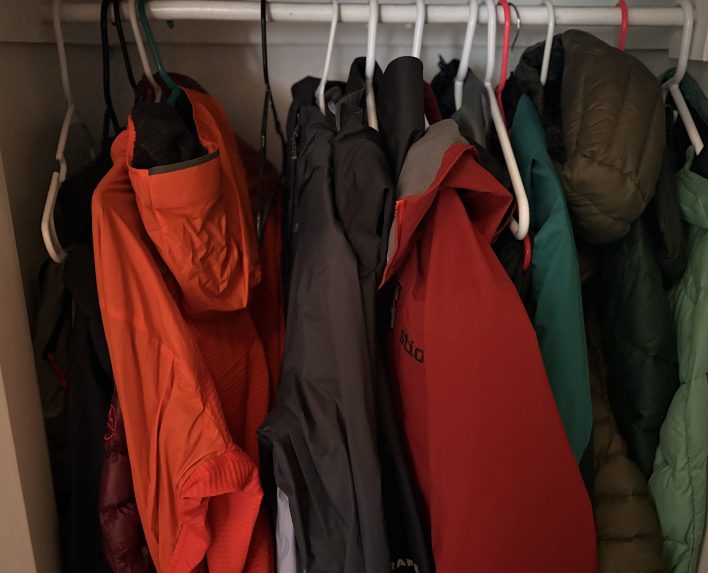
The foyer, and my bedroom, are a familiar disaster. Ice axes lean against running shoes. A bike helmet lies next to climbing gear, crampons and wet ski boots. The multi-sport menagerie is a clear sign that spring has officially arrived. Although after a historically low snow year across the West, maybe spring was here with us the entire time. Like most years, I’ll keep fantasizing about one last run into June, chasing corn that’s long since turned to slush. That optimism often means any sort of summer gear care routine gets chronically neglected.
I’d suggest not being like me. Backcountry gear is expensive, made to last and worth treating accordingly. An afternoon of work can add years to every piece you own, keep it out of the landfill and leave you with a fresh kit come November. This year, I’m making an effort to do my spring gear care while skiing is still top of mind. So I thought I’d share the tips and tricks I find useful before the dog days of summer truly hit.
Apparel
Apparel is the most overlooked item in spring gear care, and in my opinion, more important than skis or boots to properly attend to. Left untreated, stains, body oil and grime eat away at the waterproofing on your shell. With the industry’s recent shift away from PFAS-based DWR to more environmentally conscious fluorine-free alternatives, that coating is also less durable than it used to be. It needs more attention, not less.
Luckily, the fix is simple. Before anything, check the care label—technical fabrics have specific instructions, and ignoring them is how you ruin a $500 jacket. Most shells and synthetic insulated pieces can be machine washed on a gentle, warm cycle. Skip the regular detergent. Use a technical cleaner like Nikwax Tech Wash, which removes grime without stripping what’s left of your DWR. It’s the best-known option and has worked well for me, but many brands offer similar gear-friendly detergents. Stubborn stains should be spot-treated beforehand: dirty patches degrade waterproofing and weaken re-applied DWR. Nikwax Stain Scrub has a built-in brush applicator which makes this easy.
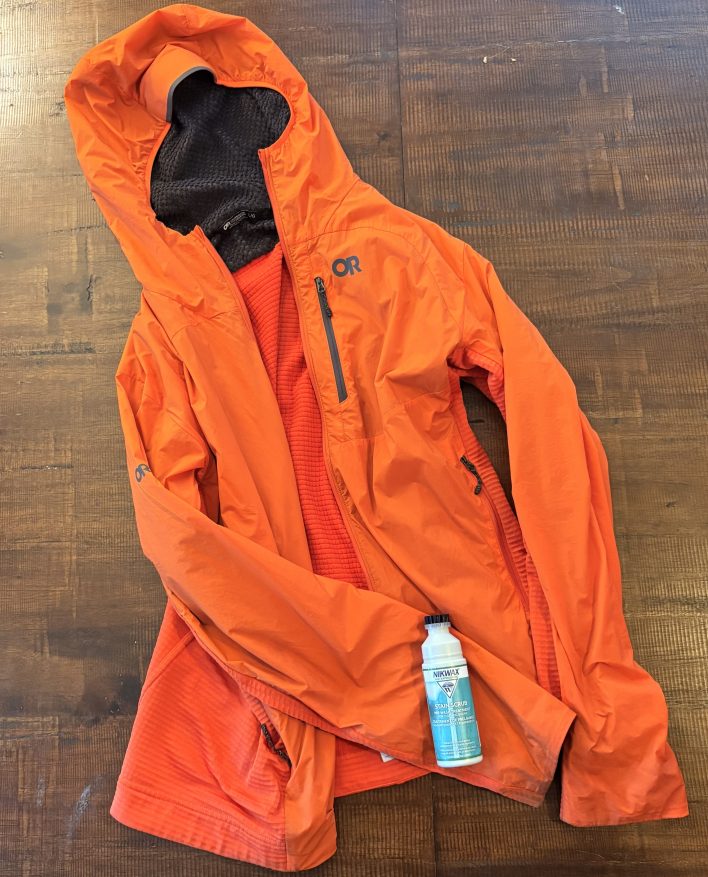
Once clean, follow with a wash-in waterproofer like TX.Direct to restore the DWR coating. Then dry on low heat, or hang dry in a warm, dry environment. Down pieces get the same treatment, though I’d recommend a down-specific detergent and waterproofer. Nikwax Down Wash and Down Proof both clean and re-waterproof without crushing fill power which offers peace of mind, especially when you’ve become attached to a specific puffy. One quick tip: toss a few dryer balls or tennis balls in the dryer with your down apparel to keep the insulation from clumping.
Give everything space to hang and breathe before it goes into storage. Then, keep apparel in a cool, room-temperature space. I’ve lost windbreakers and puffies to mice and moths over the years. You’ve been warned.
Skis & Splits
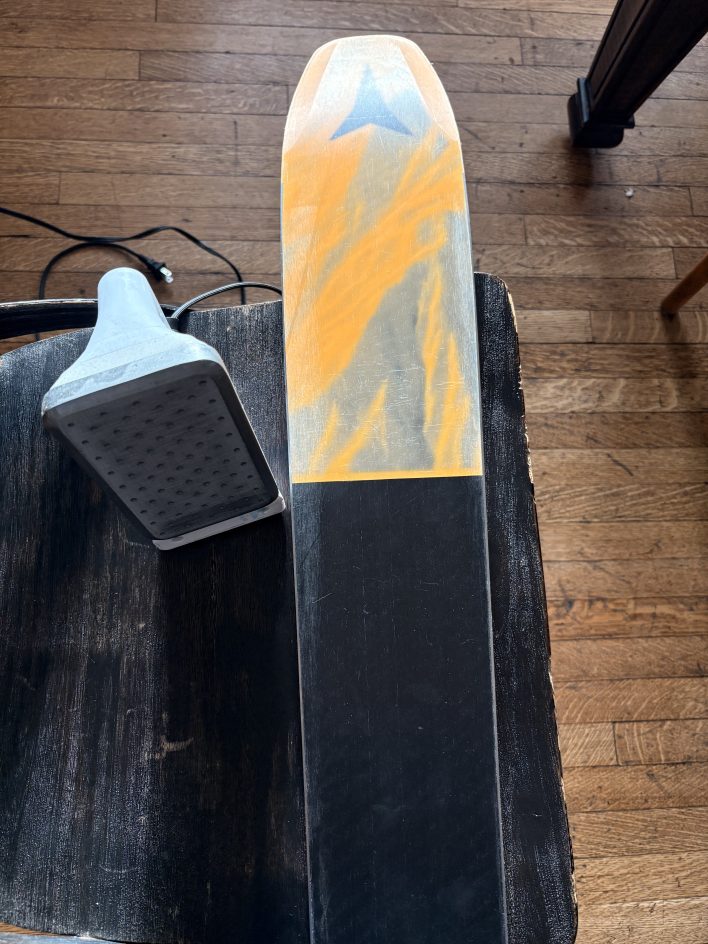
My go-to for ski storage is a simple clean and wax. Spring missions in particular can leave bases and bindings covered in mud and grit. Wipe both planks down with a damp cloth and dry thoroughly.
Then wax, and leave it on. Apply a glide wax heavily with a ski-specific iron, covering the full base out to the edges. This is storage wax; it isn’t meant to be scraped before next season. It seals out moisture and keeps edges rust-free all summer. That said, if you’re anything like me and tend to forget about storage wax when the first snow falls in November, there’s no harm in doing a full wax, scrape and brush now.
Some folks also advocate for backing off lateral and vertical release values to their lowest settings to relieve pressure on the binding spring mechanisms over the offseason. Personally, I’m too forgetful for this step, but if you’ll reliably remember to reset before your first tour, it’s worth doing.
Boots
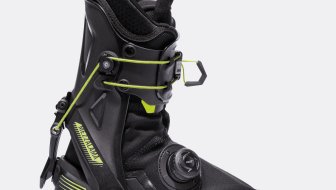
For boots, drying the liners is the priority. Pull the liners and footbeds completely out and let everything dry separately. Then do a quick inspection: check for cracks in the shell, broken buckles and torn straps, and make sure the screws on the tech inserts are tight. Wipe down the shell and clean the tech inserts, which inevitably accumulate mud and grit from spring missions. An old toothbrush works well here. For liners, Nikwax Footwear Refresh eliminates odor and prevents buildup without damaging the materials.
Once everything is dry, reassemble the boots and buckle loosely. Cranking them down compresses the liner and stresses the buckles over months of storage. Store somewhere cool, dry and mice-proof. Rodents love boot liners.
Avy Gear
Avy gear is the one category where maintenance has an actual consequence. The good news is the upkeep is simple.
Most importantly, pull the batteries out of your beacon. Battery leakage can corrode the terminals, which I’ve seen permanently damage transceivers. Store the beacon in a cool, dry spot away from other electronics and put in fresh batteries when next season starts.
The same goes for an electric airbag: remove backup batteries and power it off for the summer. For canister airbags, remove the canister and replace the storage cap so the seal doesn’t accidentally break. Either way, empty all the pockets. Nothing molds quite like an apple that spent the summer in a hot garage.
Gloves and Skins
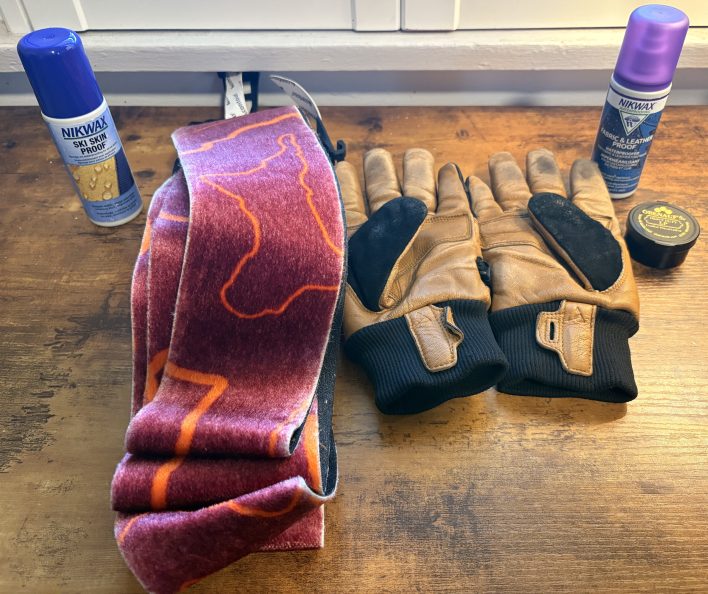
My gloves and skins tend to get thrown in a bag after the last tour and forgotten until October. Both deserve better.
For gloves, start with a gentle clean. Then treat with a fabric and leather proofer to restore DWR. Leather gloves especially benefit from conditioning before storage; dried-out leather cracks and stiffens over a summer.
Apply the same principle to skins: clean, then re-waterproof if needed. Nikwax Ski Skin Proof restores water repellency and prevents ice from building up in the fibers come early season. Once treated and fully dry, fold them glue-to-glue with the original skin savers and store in a cool, dry place. Heat degrades skin glue fast, so keep them out of a garage that bakes in the summer sun.
My gear will likely sit in our foyer a while longer. Probably through June. Maybe July. But I’ve started the spring care process now, so when it finally does get put away, it’ll be clean, waxed, treated and ready. An afternoon of work now is a responsible, cost-saving and environmentally conscious decision. So put on some tunes, enjoy the sunshine and take a look at your ski gear before you move on to tuning your bike.




Related posts: