
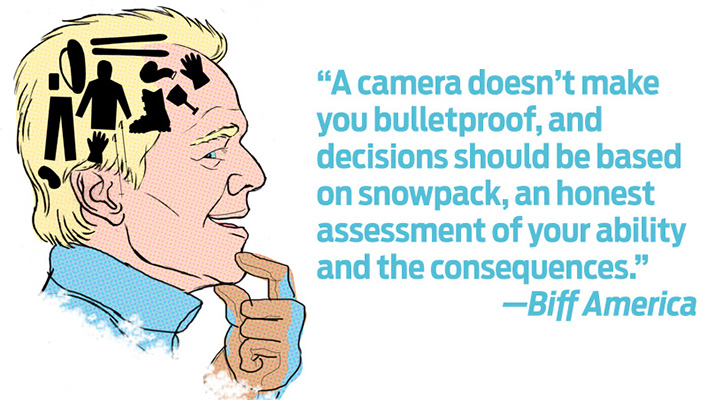
“A camera doesn’t make you bulletproof, and decisions should be based on snowpack, an honest assessment of your ability and the consequences.”
The Splitty Guiding Fund: Rick Gaukel Splitboard Scholarship
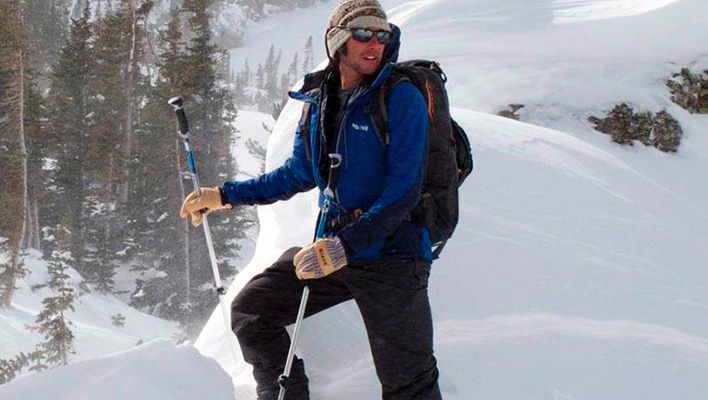
When splitboarder Rick Gaukel and four friends were killed in an avalanche on Loveland Pass, Colo. on April 20, 2013, he had recently completed a 12-day ski-guide course with the American Mountain Guides Association (AMGA). Splitboarding was his preferred method of backcountry travel, and he was an advocate for getting it accepted by the AMGA. […]
Mountain Skills: Exploring with Modern Navigation Tools
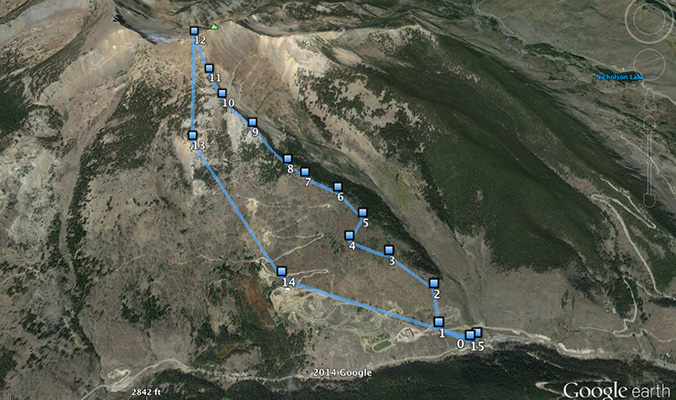
“My map and compass never have dead batteries.” This is the most common rationale I hear for not learning and adopting new technology. Film still works in cameras and the Postal Service still gets information from place to place, but there are better ways these days. The same is true for improving the way we tour plan and navigate. Here’s how to use modern navigation tools.
Biff America: On Alcohol
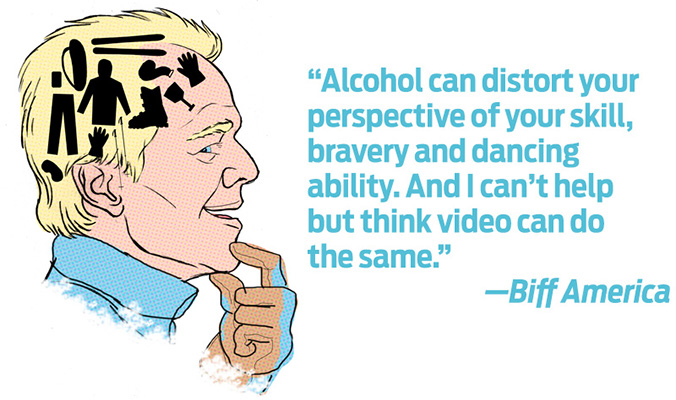
“Alcohol can distort your perspective of your skill, bravery and dancing ability. And I can’t help but think video can do the same.”
The Wasatch Backcountry Voice: Tom Diegel on protecting Salt Lake City’s Mountain Landscape
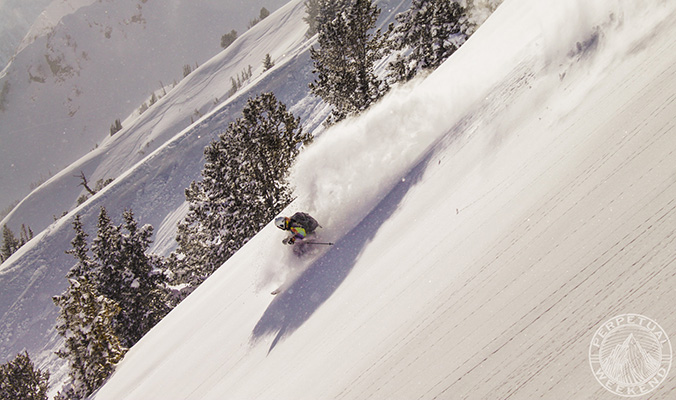
When we published an article in the November 2013 issue on Wasatch Backcountry Alliance (WBA), the organization that provides a voice to backcountry users in and around Salt Lake City, Utah was just in its inception. The WBA, a volunteer nonprofit, has experienced tremendous growth since then. Today it aims to reach members beyond SLC and the […]
Mountain Skills: Making Better Observations
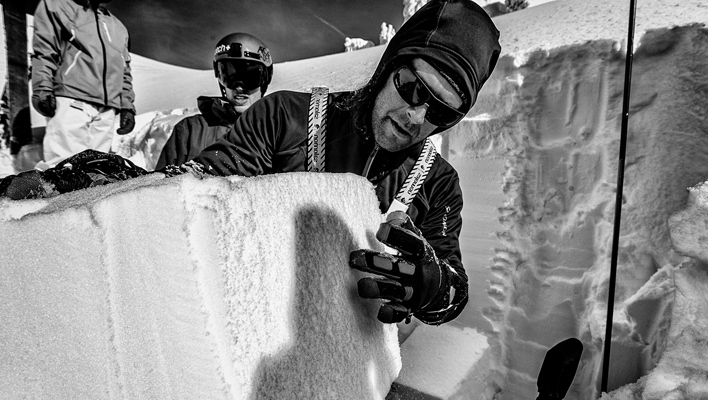
Turn to someone you trust—a more experienced friend or maybe a guide—and you’ll likely find out that they don’t dig too many pits, and they certainly never trust their life with the information gained in one snow pit. This disconnect can be confusing—after all, we learn to dig pits early in our education, but in reality most skiers don’t bother. Here’s when and how to dig to get the most information.
BC Banter: AIARE Hires New Executive Director, Jim Harris’s Recovery, December Issue Hits Newsstands, PoleClinometer Launches Kickstarter
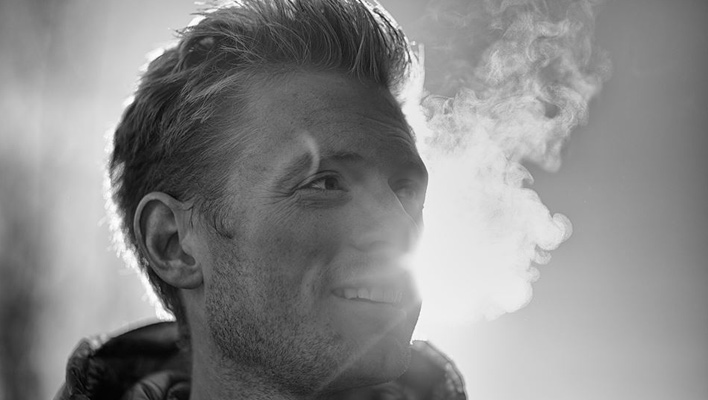
The American Institute for Avalanche Research and Education (AIARE) has hired Tim Bennet as their new executive director. Bennet’s position replaces the roles of both Brian Lazar and Tom Murphy as they transitioned to AIARE’s board of directors. “I saw a fantastic chance to blend my personal passion for skiing and safe, outdoor adventure with my skills in nonprofit management,” Bennet said in a press release.
Adventure Photographer Jason Hummel’s Alpine State of Mind
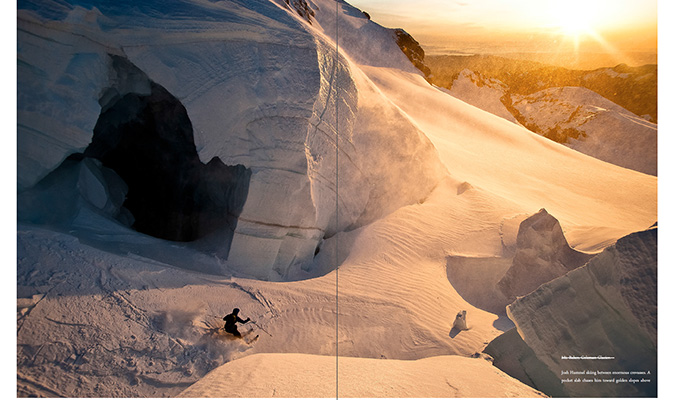
Ski photographer and writer Jason Hummel wears a bright, broad smile. And he certainly has something to be happy about. As of the first week of December, he’s raised more than $7,000 through his Kickstarter campaign, successfully surpassing its goal. This means he’ll be printing 500 copies of the first issue of his brainchild, the […]
Biff America: On Telemarking
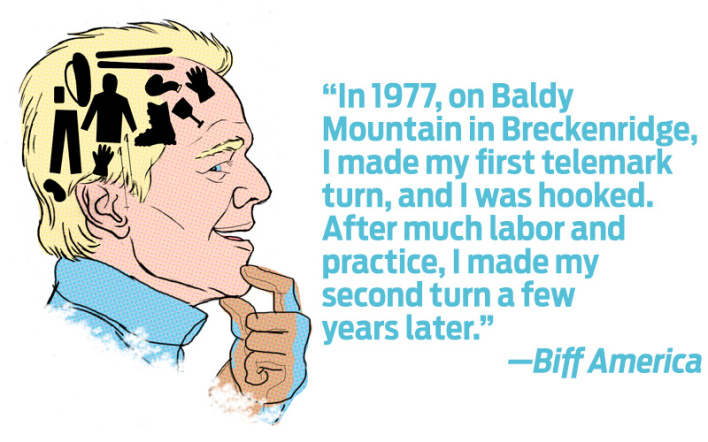
In 1977, on Baldy Mountain in Breckenridge, I made my first telemark turn, and I was hooked. After much labor and practice, I made my second turn a few years later.
Video: The Controller
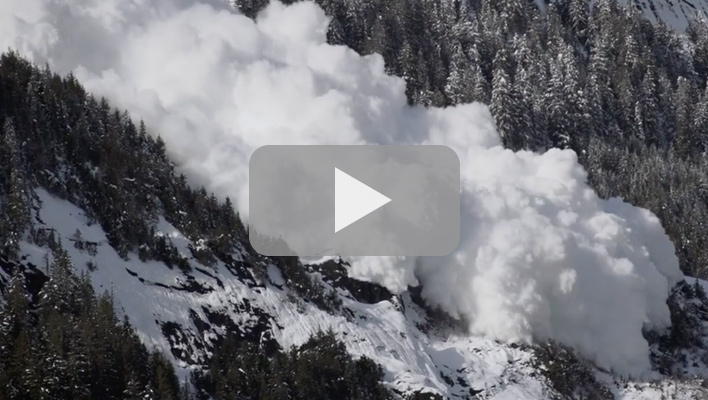
“You can study snow all you want, but if you want to understand it, you’ve got to be out there in the mountains,” says Kevin Fogolin, an avalanche consultant who works with hydroelectric companies and other utilities to forecast, monitor and control for avalanches. In March 2009, the helicopter in which Fogolin was flying was taken down by an avalanche, and his harrowing story is captured in Mike Douglas’s new documentary SNOWMAN. Here’s an excerpt from the film, equal parts footage of pow skiing and immensely terrifying avalanches.