
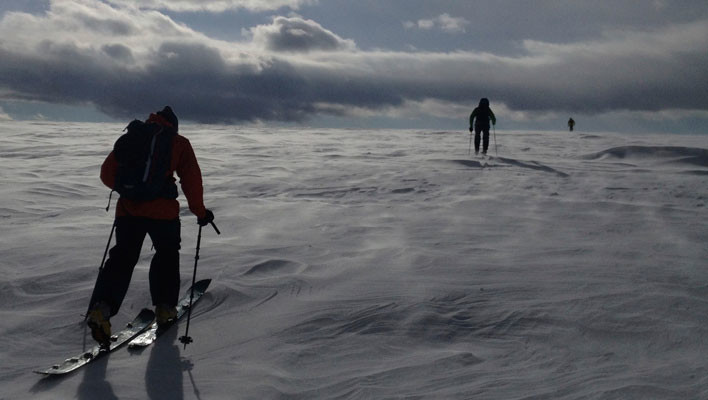
My good friend Jamie Week describes the importance of communication in the backcountry like this: “Inbounds at the ski area, skiing and riding is all about me. It’s about finding the best lines and the best snow. Once you leave the resort and enter the backcountry, it’s a team sport. It’s no longer about me, me, me. It’s about teamwork and team safety.”
Mountain Skills: Understanding ‘The Avalanche Problem’
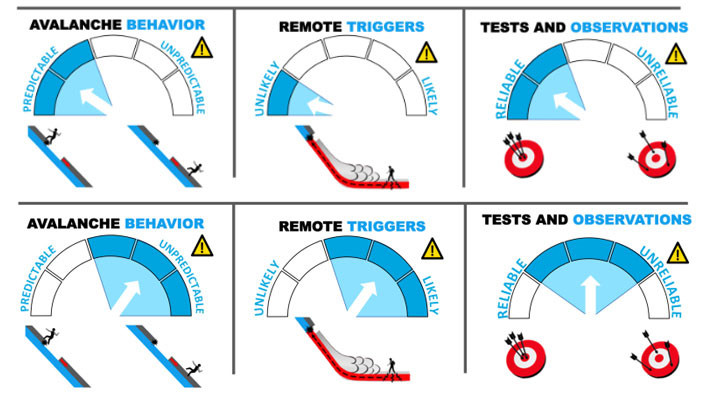
Two winters ago, a party of self-described expert skiers and snowboarders exited a ski area to center punch a very steep and committing untracked bowl of almost thigh-deep powder. It was bluebird, and the stoke was high. Most of the party had been through a Level 1 avalanche class; they had checked the forecast—Moderate—dug a pit and made a plan to ski one at a time. Then, they watched with horror as the first skier threw in a ski cut that triggered an avalanche two- to four-feet deep and 600-feet wide.
Mountain Skills: Use Snowpack Tests to Make Better Decisions
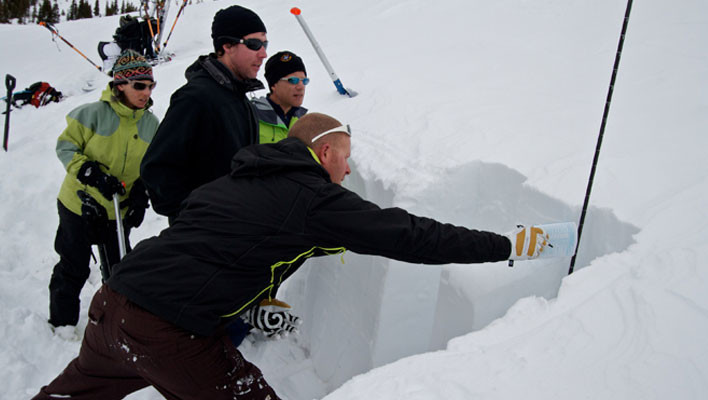
Backcountry skiers and riders have been taught to dig pits for years, but the elephant in the avalanche education room has always been what role they play in your decision making. All too frequently we use them judge whether or not a slope is safe to ski—what do you expect when they’re often called “stability tests?” These tests, however, have serious limitations—both in the accuracy of their results and their interpretation—and, when applied incorrectly, can cause more harm than good.
Mountain Skills: How to really read the avalanche forecast
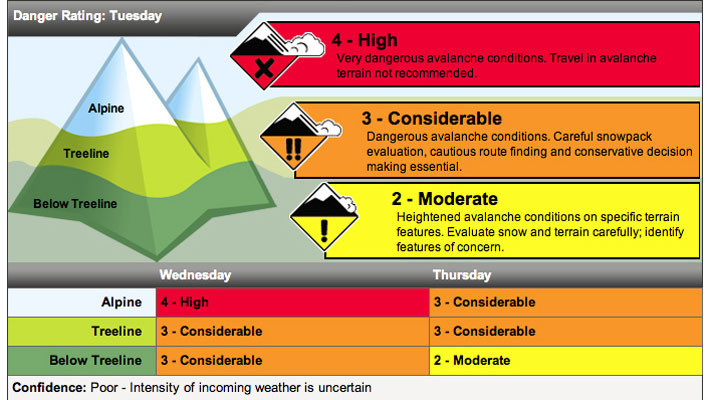
Avalanche forecast centers do a great job informing backcountry travelers about current conditions, weather patterns and the avalanche danger. In fact, when you start digging, there is a huge amount of information on an avalanche forecast center’s website. But to get the most out of the forecast and prioritize information, don’t just stop at the danger rating—use the forecast center’s site as a resource regarding past, current and future conditions.
Mountain Skills: Why Take Avy Two?
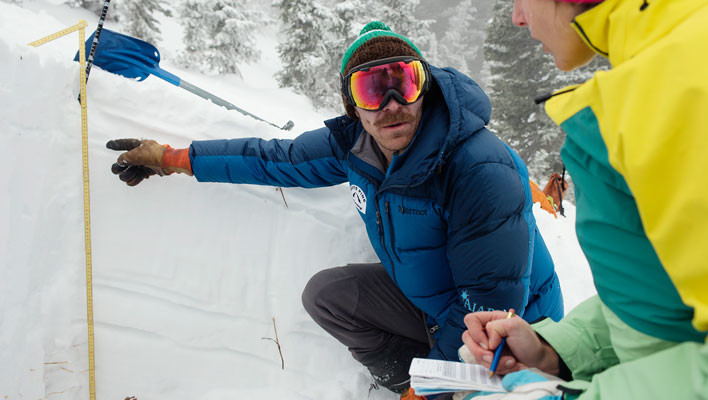
While most backcountry users end their formal avalanche training after Avy One, snow safety requires constant education.
Mountain Skills: Twelve Things I Learned at Icefall Lodge’s Ski Mountaineering Course
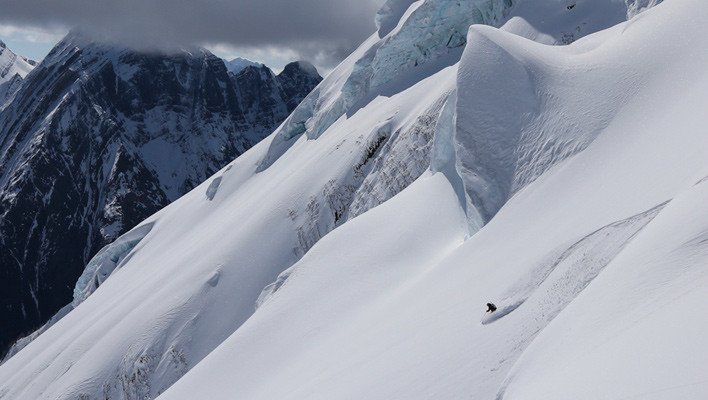
The annual Spring Mountaineering Course is taught at Icefall Lodge by owner Larry Dolecki, a certified IFMGA mountain guide of more than 20 years who built his ski touring lodge near the western border of Banff National Park in 2005. “This should be a great week in the mountains, filled with lots of learning and great lines,” Dolecki wrote in the course intro packet. It certainly was.
Mountain Account: A third-party rescue in Utah’s Wasatch Mountains
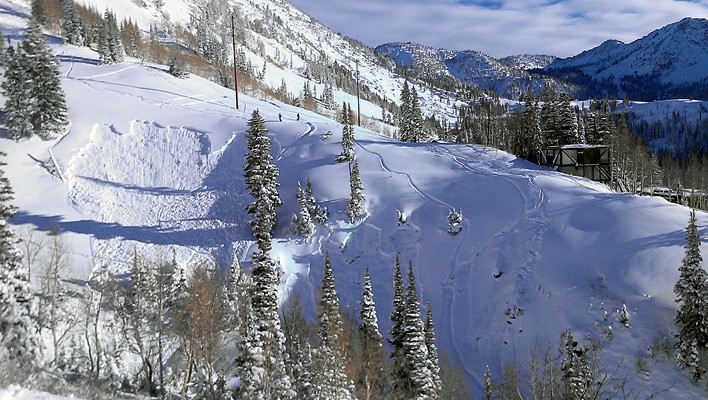
In early December 2013, Aaron Rice, a busboy at Alta’s Rustler Lodge, and friend Joe Campanelli were touring in Grizzly Gulch in Alta, Utah’s backcountry when they noticed an old human-triggered slide across a gully. They stopped to take pictures to submit to the Utah Avalanche Center when they were quickly caught up in a […]
Mountain Skills: Skiing with Sharp Objects
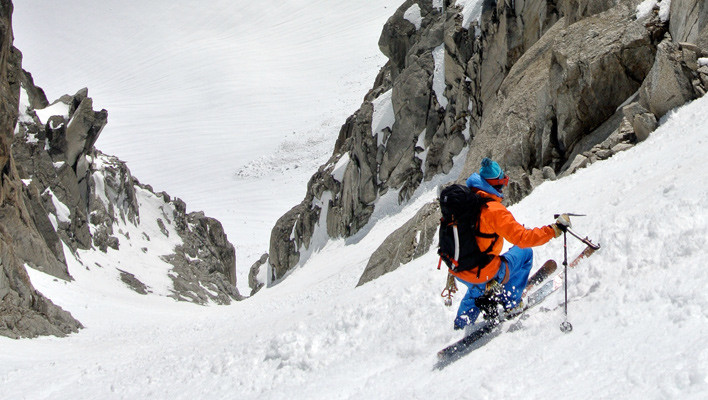
Ski crampons, boot crampons and a simple ice axe should be a part of every backcountry skier’s kit. You won’t need them everyday, but knowing when and how to use them can greatly improve security and enjoyment. Here’s how.
Mountain Skills: Jill Fredston on 20 years of education, safety and snow science
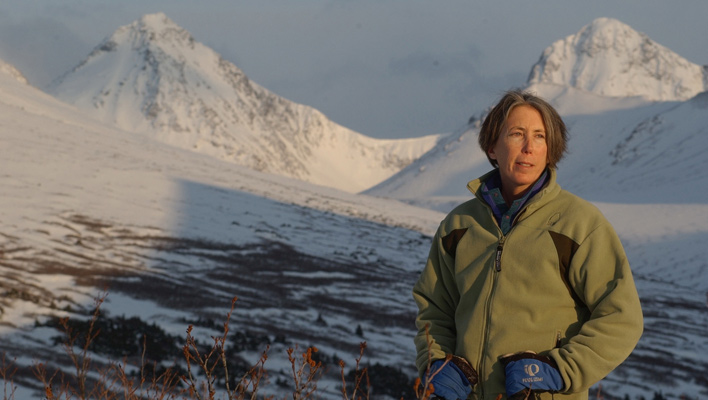
Jill Fredston, 56, is a longtime avalanche forecaster and educator in Alaska who coauthored “Snow Sense” with her husband and fellow avalanche guru, Doug Fesler. Here’s an excerpt from our conversation on 20 years of education, safety and snow science.
Mountain Skills: Bruce Tremper on 20 years of education, safety and snow science
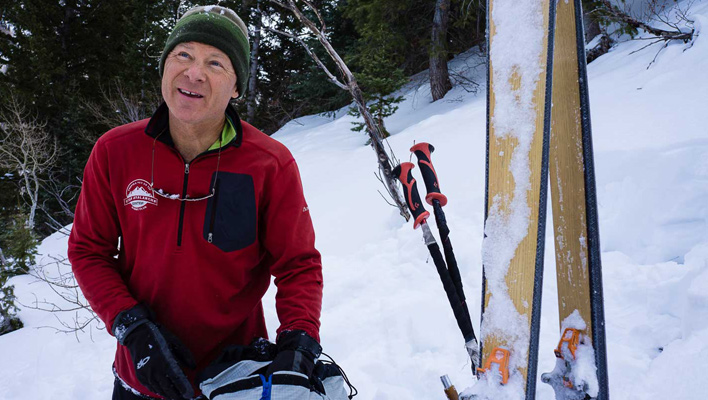
Bruce Tremper, 61, has been director of the Utah Avalanche Center since 1986 and is the author of the seminal book “Staying Alive in Avalanche Terrain.” Here’s an excerpt from our conversation on 20 years of education, safety and snow science.