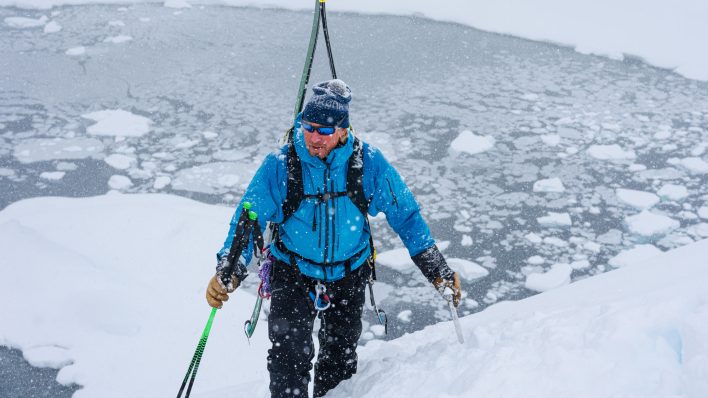

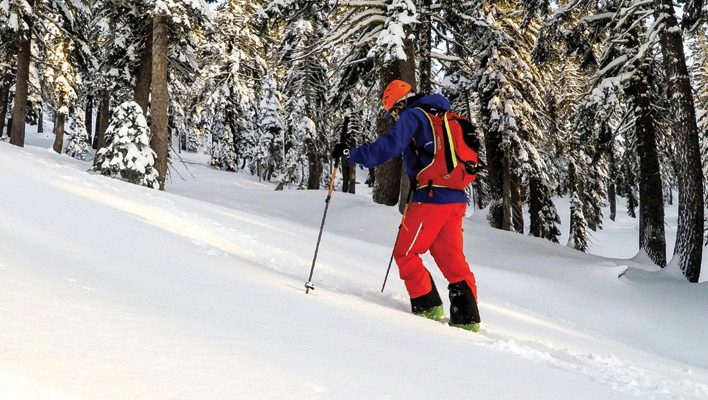
In 2016, Aaron Rice skied 2.5 million human-powered vertical feet, and there were definitely times when he just didn’t feel like skinning. He often wanted to ski one less run or even lay down in the snow and cry. But he knew that, to reach his goal, he had to become a master of motivating himself to start earlier, go longer, go faster and stop later.
Mountain Skills: Essential Education
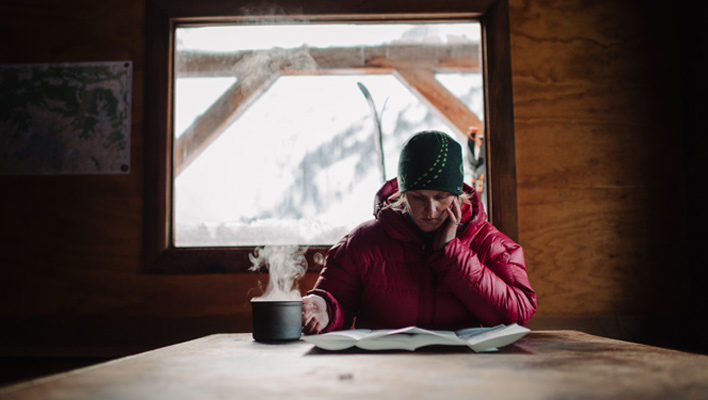
The list of skills and knowledge needed to get into the mountains is never ending. In fact, it’s subject matter that numerous careers are built on, but safe and efficient backcountry travel doesn’t necessarily require a PhD in snow science or a guide’s certification. It takes common sense, good partners, a willingness to learn and, above all, the following 10 things that every skier and rider should know.
Mountain Skills: Cody Townsend Ditches Deviance
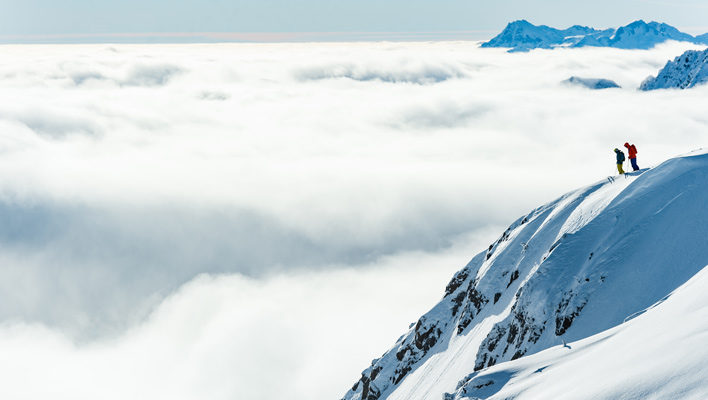
What do space shuttles and backcountry skiing have in common? According to freeride skier Cody Townsend, it’s a relationship that stems from an explosion and a theory. Better yet, he’s adapted a method of assessing off-piste risk based on that relationship.
Talking Risk: How to Better Understand and Communicate About Uncertainty
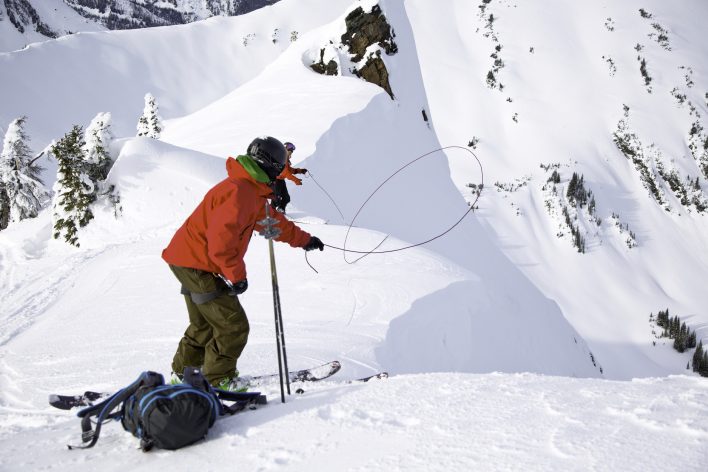
Traveling in the backcountry means moving through a constantly changing environment. Because of this, it’s important to communicate about uncertainty throughout the day. Sometimes decisions are easy and obvious. Sometimes they’re tricky. The one constant is that uncertainty will exist, so guide and educator Sarah Carpenter shares how we can effectively talk about risk.
Mountain Skills: Knowing When To Turn Around
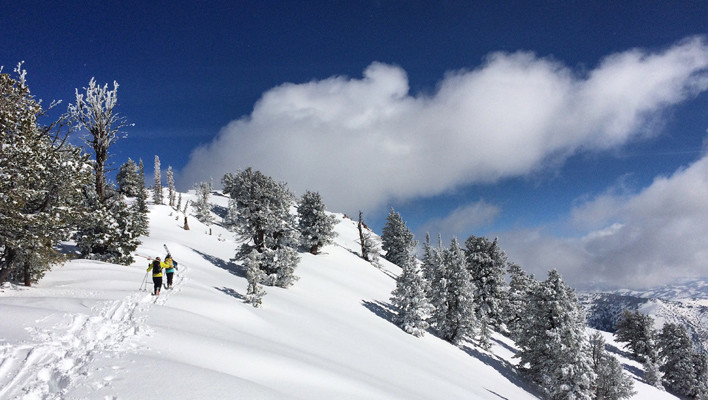
As spring approaches, the days get warmer and the snow on the ground changes; the daily cycle of snow warming and freezing heals many of the deep instabilities that persisted throughout the winter; typical instabilities become easier to predict. And while wet avalanches—either slab or loose—are easier to predict and run more slowly, they can still pack a punch. Therefore, getting off a slope before it becomes dangerous is important.
Checklists, Beacon Checks and Route Planning: Building Systems as a Backcountry Traveler
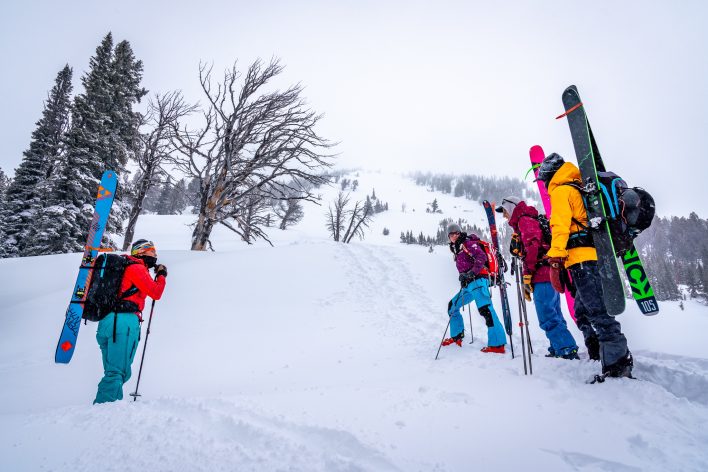
Avalanche educator Sarah Carpenter knows consistency is the key to backcountry safety. With that in mind, she’s created a system to make sure her beacon is turned on, her plan is in line with the forecast and her entire group is on the same page.
Mountain Skills: The “Hell yes, or no way” approach to terrain management
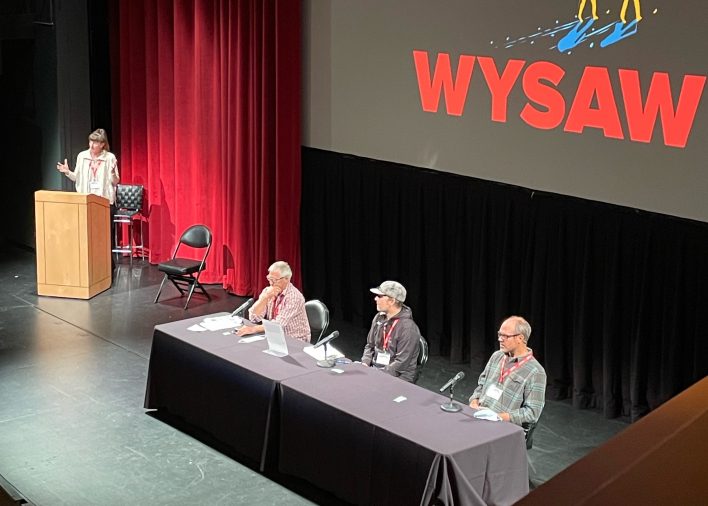
Heading into the winter is a good time for professionals and recreators to re-evaluate their decision-making tactics. At the Wyoming Snow and Avalanche Workshop last month, speakers considered whether the larger backcountry community assimilates too much danger in its daily practices.
Higher Learning: The nuances of how, when, where and why to take a course
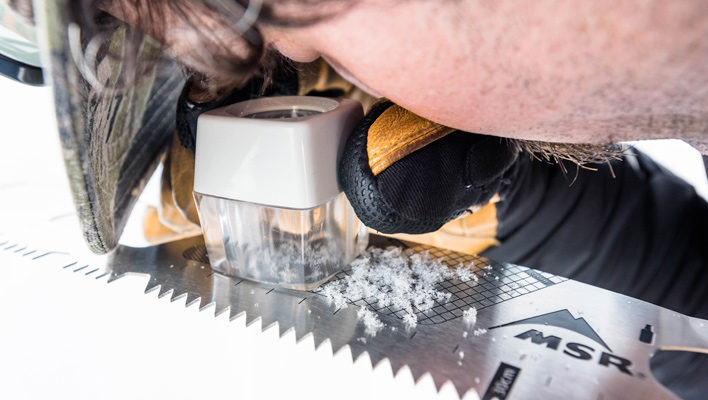
Choosing an avalanche course—whether a higher-level one or something to refresh your rescue skills—doesn’t have to be a hard decision. You just have to know what you want.
Mountain Skills: How To Become A Better Ski Partner
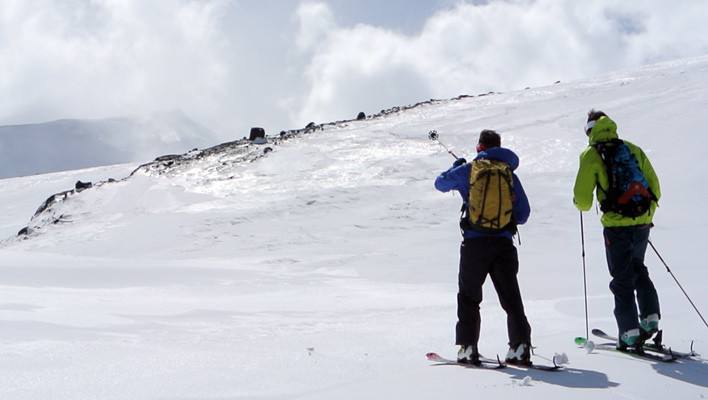
Trusted partners add life-saving value to a tour, from additional eyes looking for instability to providing wisecracks and nips of whiskey. And while it’s essential to make sure your partner is attuned to you and the mountains, relationships go both ways. Here’s a list of tips and suggestions to help you uphold safety and stoke within your group on your next tour.
Tools of the Trade: When, where and how to use your ice axe, crampons and rope
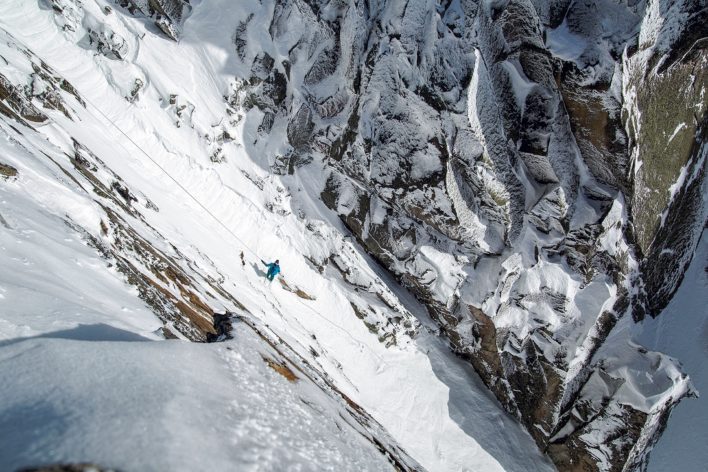
Jackson, Wyoming-based internationally-certified guide Mike Poborsky has three basic considerations when planning for a day out: Is the mountain going to fall on him? Will he fall into the mountain? Could he fall off the mountain? The first question helps him avoid avalanches, while the second two dictate what he needs for technical gear, like an ice axe, crampons or rope. For those looking to step into steep couloirs, onto exposed faces or around glaciated terrain where a slip could mean falling off or into the mountain, both carrying these tools and knowing how to use them is crucial.